There is an extensive body of ambulatory care literature evaluating the impact of clinical pharmacists providing comprehensive medication management (CMM) or medication therapy management (MTM), although reported economic and utilization outcomes are heterogeneous. Pharmacist-led medication review in ambulatory clinics is consistently associated with improved identification and resolution of drug-related problems, reductions in potentially inappropriate medications, and modest decreases in to...
A 2019 review evaluates health economics evidence based on 11 randomized controlled trials of pharmacist-led medication review in pharmacotherapy managed cardiovascular disease risk factors, specifically hypertension, type-2 diabetes mellitus, and dyslipidemia, in ambulatory settings. Among 5 US-based studies conducted from 2001 to 2016, pharmacist-led interventions primarily consisted of a medication review with adherence counseling and a face-to-face interview with patients during follow-ups. Economic evaluations included cost-effectiveness, third payer, societal, and cost-utility. All studies conducted in the US reported favorable outcomes in blood pressure improvements, life years gained, quality-adjusted life year (QALY), or refill adherence, with life year incremental costs from individual studies ranging from $49.73 per patient to $432.1 per patient. The corresponding incremental cost-effectiveness ratio was determined to be $59.76 per QALY (one study), $1.66 per mmHg to $4...
READ MORE→
A search of the published medical literature revealed
10 studies investigating the researchable question:
Please send some peer-reviewed (preferred) articles that demonstrate financial and clinical impacts of clinical pharmacists providing Comprehensive Medication Management (CMM) or medication therapy management (MTM) in ambulatory clinics. Issues that could be included:
Level of evidence
A - Multiple high-quality studies with consistent results
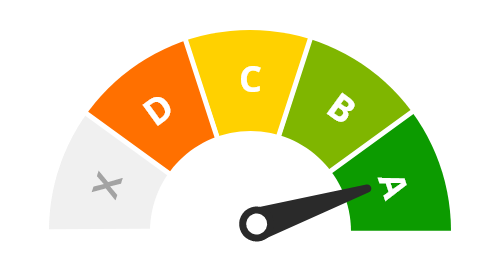
READ MORE→
[1] A 2015 meta-analysis assessed the effects of medication therapy management (MTM) services among outpatients with chronic illnesses. A total of 44 studies (21 randomized controlled trials, four non-randomized controlled trials, and 19 cohort studies) were included for analysis, all of which used pharmacists to deliver MTM services, specifically medication review, patient-directed education, care coordination, and opportunity for follow-up. Although the studies reported wide confidence intervals (CI), medication therapy management interventions reduced health plan expenditures on medication costs. After MTM interventions, patients with diabetes mellitus or heart failure had lowered odds of hospitalization (diabetes: odds ratio 0.91 to 0.93 based on the type of insurance; adjusted hazard rate for heart failure: 0.55; 95% CI 0.39 to 0.77) and hospitalization costs (mean differences ranged from -$363.45 to -$398.98).
[2] A 2021 systematic review of pharmacist-led interventions in ambulatory care settings included 31 studies (27 controlled trials and 4 observational studies) evaluating clinical, behavioural, economic, and humanistic outcomes. Clinical medication review was the most frequently studied intervention (61.29%), followed by adherence review (19.3%). Clinical medication review demonstrated favorable effects on clinical outcomes, particularly management of drug-related problems and adverse events, and contributed most to reductions in healthcare costs. Adherence review was most effective for improving medication adherence. In observational studies, adherence review was associated with 2% higher adherence (34.3% vs 32.3%), 1.8% fewer hospitalizations, 2.7% fewer emergency room visits, and lower total healthcare costs ($226.07; all p<0.0001), and medication therapy management reduced plan-paid healthcare costs by 10.3% compared with a 0.7% increase in controls (p<0.05). In interventional studies, correction of identified drug-related problems reached 78.7% in intervention groups versus 0% in controls (p<0.001), and inappropriate medications decreased from 27.2% to 8.9% with pharmacist review (p<0.001). Collaborative pharmacist interventions also improved medication adherence and medication appropriateness index scores (median 8.0 vs 20.0; p= 0.001). However, effects on hospital admissions and quality of life were inconsistent or not significant. The authors concluded that clinical medication review can play a major role in managing drug-related problems and economic issues, while larger, standardized, and rigorously designed intervention studies are needed to support decision-making and confirm meaningful improvements in patient care.
[3] A 2024 qualitative systematic review and meta-synthesis included 9 qualitative studies involving 235 stakeholders (general practitioners, specialist physicians, pharmacists, nurse practitioners, patients, carers, and clinic staff) examining perspectives on pharmacist involvement in deprescribing in ambulatory care settings. Four overarching themes were identified: therapeutic impetus and status quo mentality, role and responsibility, multidisciplinary care, and conflicting interests in pharmacy practice. Stakeholders generally supported pharmacist involvement in deprescribing but reported multiple barriers, including unclear role responsibility, prescriber authority concerns, limited communication and care fragmentation, lack of access to clinical information, insufficient guidelines or deprescribing resources, patient resistance to medication changes, and lack of reimbursement or time for deprescribing activities. Enablers included collaborative relationships with prescribers, embedding pharmacists within clinics, regular medication review processes, improved communication and shared decision-making, and increased access to deprescribing resources. Overall, pharmacists were viewed as a valuable but underutilized contributor to deprescribing in ambulatory care; improving accessibility, communication with pharmacists, and trust in their professional role were identified as key strategies to support safe and successful deprescribing and improve patient outcomes.